


- 💡 Expert Tip: The "Cancel-Save" Hack
- The 2026 Landscape: What’s Changed?
- 1. The Membership Tiers: Breaking Down the Cost
- 2. Library Depth: The Unbeatable Catalog
- 3. The Tech: UI, UX, and AI Integration
- 4. Audible vs. The Competition: A 2026 Shootout
- 5. The "Ownership" Argument: Why it Still Matters
- 6. Is it Worth it for Financial Education?
- 7. The Cons: Where Audible Falls Short
- Final Verdict: The King is Still Weary, but Still Wearing the Crown
In the fast-evolving landscape of digital media, 2026 has brought us to a crossroads. We’ve seen the rise of AI-generated narration, the aggressive expansion of Spotify into the spoken-word space, and a shift in how we consume “slow media.”
For over two decades, Amazon’s Audible has sat comfortably on the throne. But in a world where subscription fatigue is real and competitors are nipping at its heels, the question remains: Is Audible still the king, or is it just a legacy giant holding onto a fading crown?
In this comprehensive 2026 review, we’ll dive deep into the pricing, the tech, the library, and the “hidden” value propositions to help you decide if that monthly credit is still worth your hard-earned cash.
The 2026 Landscape: What’s Changed?
Before we get into the nuts and bolts, let’s look at the context. By 2026, the audiobook market has matured. Listeners no longer just want “books on tape”; they want immersive experiences.
Key shifts in 2026 include:
- Dolby Atmos & Spatial Audio: Now a standard expectation for premium titles.
- AI Narration vs. Human Craft: A growing divide between budget-friendly AI reads and “Celebrity Narrated” premium experiences.
- The Streaming Wars: Spotify’s “15-hour free” model has forced Audible to rethink its “Credit” system.
1. The Membership Tiers: Breaking Down the Cost
Audible’s pricing has remained remarkably stable, but the value within those tiers has shifted.
Audible Plus (The “Netflix” Model)
At $7.95/month, the Plus Catalog has grown significantly. In 2026, it features over 15,000 titles, including a vast array of Audible Originals, podcasts, and sleep tracks.
- The Verdict: If you are a casual listener who doesn’t care about “owning” the latest bestsellers, this is the best value in the industry.
Audible Premium Plus (The “Collector” Model)
At $14.95/month, you get the Plus Catalog plus one credit per month to spend on any title, regardless of price.
- The 2026 Edge: In the UK and US, Audible has introduced “Roll-over Protection,” allowing you to keep credits longer, addressing a major pain point from previous years.
2. Library Depth: The Unbeatable Catalog
If there is one area where Audible remains untouchable, it is the catalog depth.
While Spotify and Scribd (Everand) have made strides, Audible still secures exclusive “First Look” rights to the world’s biggest authors. From the psychological depth of The Psychology of Money to the life-altering frameworks of Die With Zero, the exclusives often make the subscription.
The “Audible Studios” Factor: In 2026, Audible Originals are no longer just “bonus content.” They are high-production audio dramas featuring A-list Hollywood talent and 3D soundscapes. Listening to an Audible Original today feels less like a book and more like a private cinema for your ears.
3. The Tech: UI, UX, and AI Integration
The Audible app underwent a major overhaul in late 2025. Here is how the 2026 version performs:
AI-Powered Discovery
Audible’s recommendation engine has moved beyond “Because you liked X.” It now uses biometric sentiment analysis (if opted-in via your smartwatch) or advanced behavioral mapping to suggest books based on your mood. Feeling stressed? It suggests a calming philosophy title. In the gym? It queues up a high-energy biography.
Performance & Syncing
The “Whispersync” technology—which allows you to switch between reading on a Kindle and listening on the app—remains the gold standard. In 2026, the sync is instantaneous, even across offline devices.
The AI Narration Debate
Audible has been transparent about its use of AI. While “Virtual Voice” titles are now common for indie authors, Audible has wisely kept its “Premium” badges for human-narrated works. This balance allows for a massive catalog while preserving the artistry of professional narrators.
💡 Expert Tip: The “Cancel-Save” Hack
If you’re on the fence about the cost, try going through the cancellation process. In 2026, Audible’s retention algorithm almost always offers a “90 days for half price” deal or a free credit to stay. It’s a balanced way to lower your cost-per-listen.
4. Audible vs. The Competition: A 2026 Shootout
Audible vs. Spotify
Spotify offers “15 hours of listening” to Premium subscribers.
- The Reality Check: 15 hours is barely enough for one epic fantasy or a deep-dive finance book. If you listen to more than 1.5 books a month, Spotify becomes significantly more expensive than Audible.
Audible vs. Libro.fm
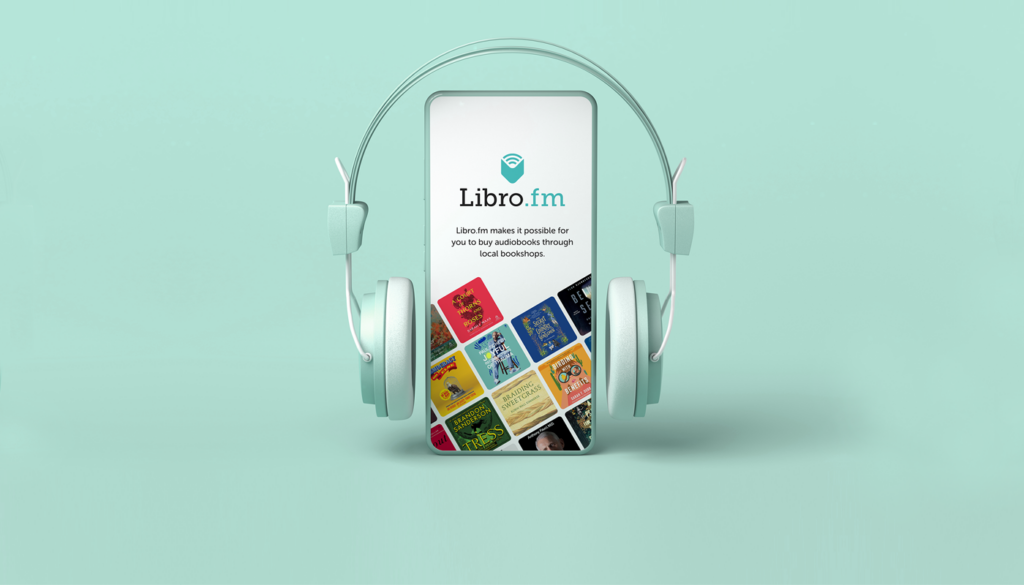
For those in the US/UK who want to support local bookstores, Libro.fm is the primary rival.
- The Trade-off: You support small businesses, but the app tech and exclusive content library lag behind Audible’s massive R&D budget.
5. The “Ownership” Argument: Why it Still Matters
One of the most authentic reasons to stay with Audible in 2026 is ownership. When you spend a credit on Audible, you own that book. Even if you cancel your subscription, the book stays in your library. In an era of “rented everything,” there is a psychological and financial comfort in building a digital bookshelf that won’t disappear if a streaming platform loses a licensing deal.
6. Is it Worth it for Financial Education?
As we discuss on Finshare, your “Human Capital” is your greatest asset. Audible is effectively a Knowledge Subscription.
- The Math: A physical copy of a new hardcover like The Ultimate 2026 Guide to Wealth might cost $30. An Audible credit costs $14.95.
- The ROI: If one audiobook teaches you a tax strategy or a mindset shift that saves you $1,000, the ROI is nearly 6,700%.
7. The Cons: Where Audible Falls Short
A balanced review must address the flaws:
- Closed Ecosystem: It is still difficult to listen to Audible files on non-Amazon MP3 players without third-party workarounds.
- The Credit “Trap”: If you don’t use your credits, they can pile up. While the 2026 “Roll-over” rules are better, it still requires a level of management.
- App Bloat: The app is trying to be a bookstore, a podcast player, and a social network all at once. Sometimes, you just want to press play.
Final Verdict: The King is Still Weary, but Still Wearing the Crown
In 2026, Audible is no longer the only choice, but it remains the best choice for serious listeners.
If you are a power user who consumes 2+ books a month and values high-production exclusives and Kindle integration, Audible is unbeatable. If you are a casual listener who only wants the occasional celebrity memoir, Spotify might suffice.
Our Authentic Rating: 4.7/5
Ready to decide for yourself?
The best way to review Audible is to use it. In 2026, their trial offer is still the most generous in the industry.
🔥 [Try Audible for 30 Days – Get Your First Credit FREE]
FAQ: Audible in 2026
Q: Can I share my books with my family? A: Yes, via Amazon Household Sharing. You can share your library with one other adult and up to four children.
Q: Does Audible work with AI narrators? A: Yes, for specific budget titles, but “Premium Plus” titles are almost exclusively human-narrated.
Q: What happens if I cancel? A: You keep all the books you purchased with credits. You lose access to the “Plus Catalog” (the streaming portion).
Affiliate Disclosure: This guide contains affiliate links to Audible. If you sign up through these links, we may receive a commission at no additional cost to you. We only recommend resources that provide genuine value to our community.
