


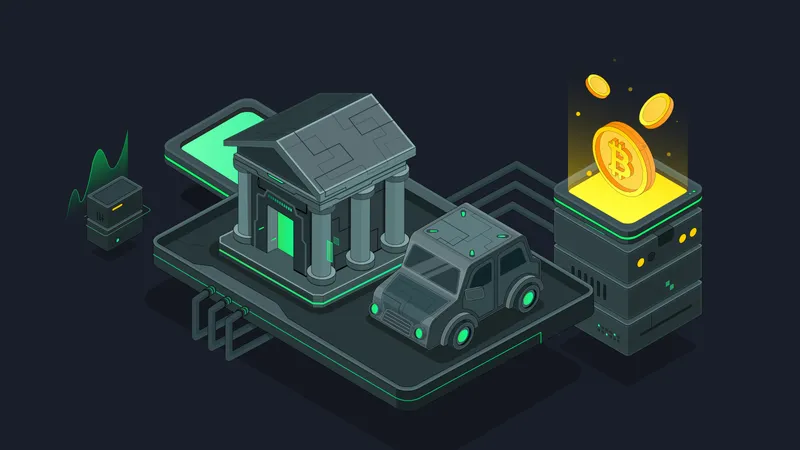
1. Understanding Tokenized Assets (RWA)
Tokenized Assets, or Real World Assets (RWA) on the blockchain, represent the digital transformation of physical ownership. By converting assets like buildings, fine art, or treasury bills into digital tokens, we enable a level of accessibility never seen before in human history.
2. The Strategic Benefits for Investors in 2026
The global economy in 2026 prioritizes efficiency and inclusivity. Tokenization provides exactly that.
- Democratization of Wealth: High-barrier investments are now open to everyone, not just the top 1%.
- Fractional Ownership: Buy 1/1000th of a London skyscraper or a New York penthouse.
- 24/7 Global Markets: Unlike the NYSE or London Stock Exchange, tokenized markets never sleep.
3. Comparison: Traditional vs. Tokenized Investing
| Feature | Traditional Investing | Tokenized Assets |
|---|---|---|
| Capital Requirement | High barrier to entry | Ultra-low barrier |
| Liquidity | Low (Illiquid assets) | High (Instant trading) |
| Slow & Manual | Automated via Smart Contracts | |
| Centralized Authority | Decentralized Trust |
4. Use Cases Shaping the Industry
Real Estate Tokenization
Commercial and residential properties are being split into millions of tokens, providing holders with rental income and capital appreciation.
Private Equity and Credit
SMEs can now raise capital by tokenizing their future revenue streams, giving retail investors access to private credit markets.
5. Conclusion: Is RWA the Future of Your Portfolio?
Tokenized assets are moving from the “experimental” phase to the “institutional” phase. As a modern investor, understanding how to balance your physical portfolio with tokenized RWA will be the key to outperforming the market in the late 2020s.
Ready to master the future of finance? Listen to the world’s best investment guides on Audible today.
TRY NOW
